Going Past The Scoresheet Part 1/3
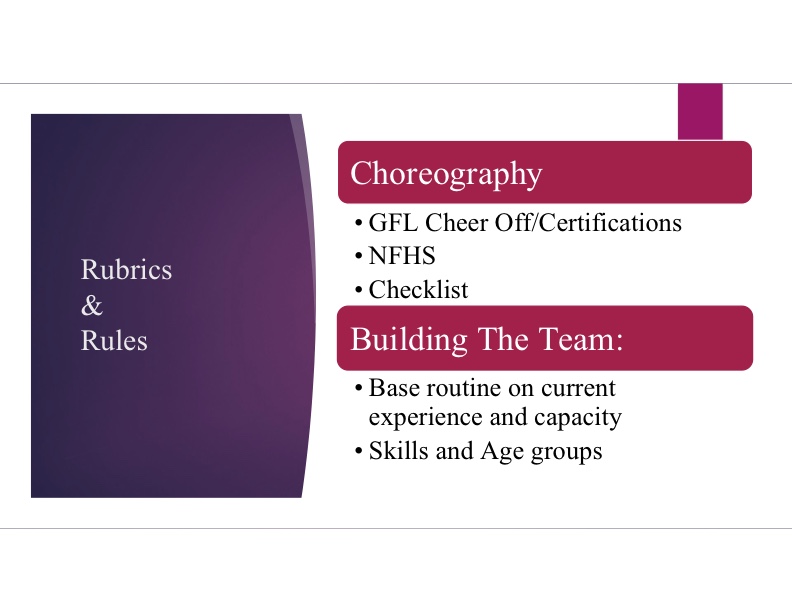
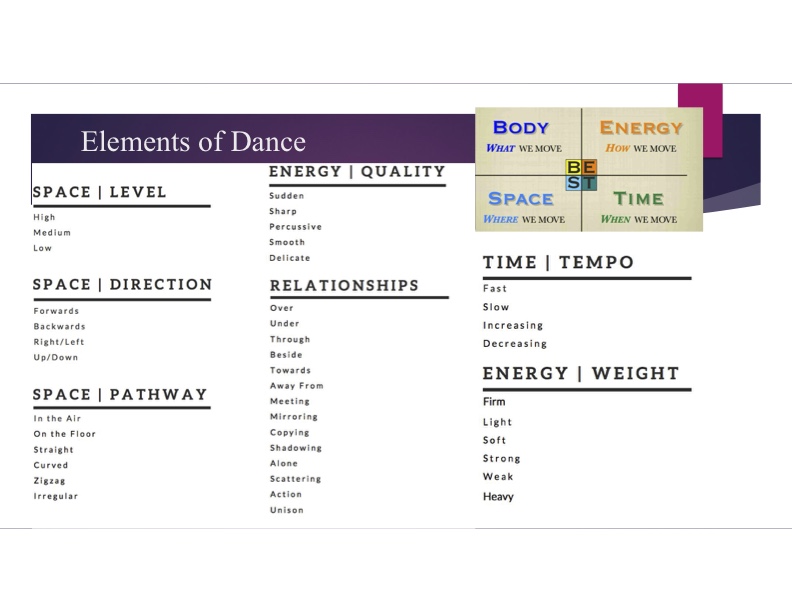
- Foundations: How to Choreograph Part 1/3
- Slow Motion Study
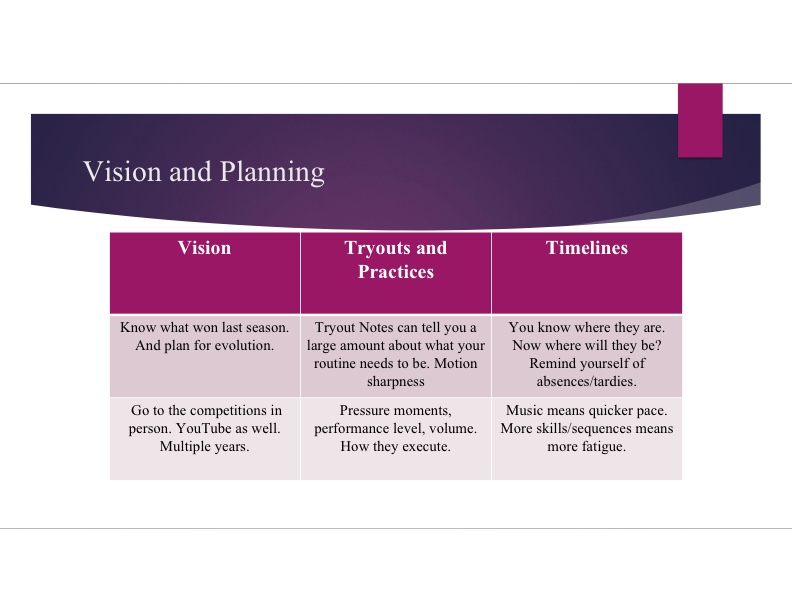
- X’s & O’s: Planning
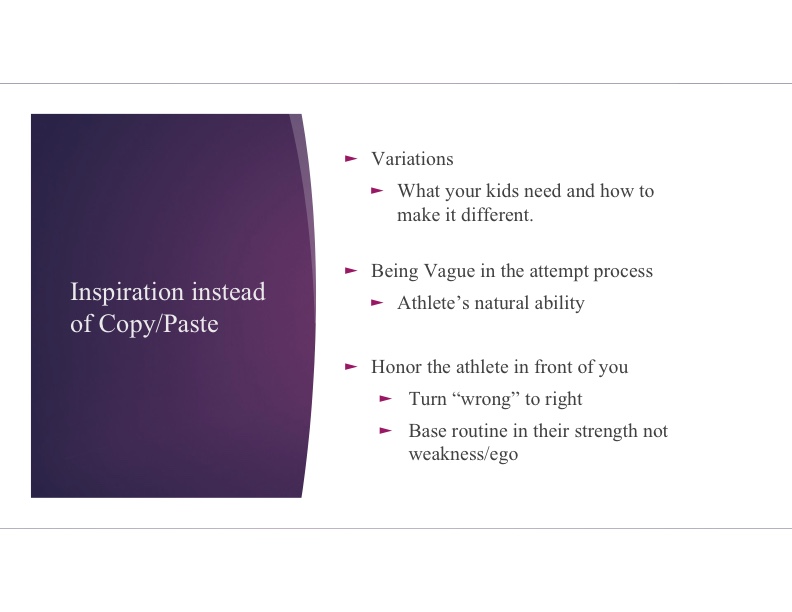
- Inspiration
- Formula/Checklist
- Formations and Routine Order through personnel
- Apprenticeship & Volunteering
Going Past The Scoresheet Part 1/3
I want to start by saying there are legal ways to do all of these “illegal” skills and transitions. A simple hand grip or change in timing/momentum, an additional spotter and pretty much anything called illegal can be adjusted to be legal. There are some transitions that this doesn’t apply to, but for this post we are diving deeper into the skills that are usually in the gray area! Videos were curated randomly from YouTube. Feel free to reach out if you’d like any of them removed/replaced! Rules are consistently changing! Some of the videos may have been legal 10 years ago and are not now! This post could be outdated within the next year depending on changes made. This post is for USASF allstar cheer elite teams competing under the United Scoring System.
– Prep level one leg stunts need a bracer, a spotter, and a base. Video Shows base on the left with a spotter’s grip.
– Letting go of arm connections in extensions and 1 legs *before* flyers are back into a prep stunt/both flyers feet are held again. Bracer is letting go too early!
– Starting an extended stunt or 1 leg stunt before the grab connection is made. These connections cannot be made on the way up!
– Letting go of arm connections in extended 1 legs *before* flyers are back into a prep lib/both flyers feet are held again. Flyer is letting go too early!
– Backhandspring step outs turning, after landing, to clean. This rule is super literal. Any turning before feet together is a legality!
– Inverted stunts staying inverted too long when lifting up. (skills that look like flips) For this skills, think flip first, then/and lift to the top for a legal ruling! This video shows the groups lifting all the way up, and the flip happening at the top. Which could be called illegal!
– Downward inversions/flips from prep level not having two athletes making contact with core/torso. This first transition could be legal if it stayed below prep level, and/or at least two bases made contact with the torso!
– Downward inversions/flips from prep level not having two athletes making contact with core/torso. This second transition could be legal if it started below prep level, and/or at least two bases made contact with the torso!
– Handhands and inversions’ hand connections being lifted above chin level during transitions. The hand connection must stay below eye level throughout this transition! Chin level is a safe way to coach it! This video shows the hand being lifted too high.
– Prep bracers going above eye level in transitions where center flyer flips and bracers change positions at the same time. (Middle flips and outsides twist) . This video shows the feet going slightly above eye level.
– Bracers losing contact during twisting skills at extended level (video attached is a legal correct way to perform.) This video shows a maintained connection throughout!
– At least two bases must be stationary in non inverted released skills during pyramid This video shows two bases minimally moving during a non inverted release skill.
– Bases making contact too early in backhandspring ups. Legal version of bases grabbing after flyer touches ground.
– Tumbling or rebounding into or through an inverted position. Legal on left, illegal on right.
– Dropping from extension to shoulder sit without a spotter. This video shows required spotters behind the groups!
– Bearing weight in flipping skills/stalling too long. Judges are looking for momentum from the initial toss. Applies to ankle braced cradles in level 2 as well.
– Flips not keeping contact with bracers through to the finish of the catch in pyramids (Levels 3 through 6, Leapfrogs and release moves for 1 & 2). Left side has a questionable release.
– Non stationary bases during transitions. Fully released skills can not have traveling catchers.
– Any released catch or flip that lands inverted. Here is a legal example!
– Any stunt where the needed spotter is under the torso and no longer considered a spotter! Extended stunts need a spotter, even on worlds teams!
– Tumbling over or under another stunt or person.
– Tumbling over or under another stunt or person. Higher level legal version of tumbler running under. If they were starting their roundoff under, it would be illegal.





Stunts
https://vimeo.com/438001077?share=copy
Pyramids
https://m.youtube.com/watch?v=J3adGi0H7aM&feature=youtu.be
Dances
https://m.youtube.com/watch?v=6bdnG4Z2oPw&feature=youtu.b
Choreography Class
https://drive.google.com/file/d/1nz3x2TfhZuvoIZFeIWhdsJF-z5GCcrns/view?usp=drivesdk

Disclaimer: Rubric is a living document and will consistently be changed. This is not a replacement for the actual rubric or Varsity’s official decisions.

Stunt Difficulty will max out if you:

Pyramid is scored as it used to be. High range requirements of 4 elements and 2 structures
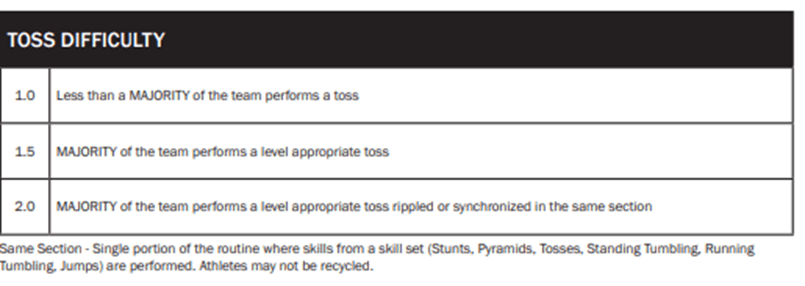
Baskets & Jumps are the same as they have been for difficulty conceptually, there are .9 points that can be taken away for execution issues in jumps, and .9 in baskets. Jumps now require MAX numbers.

Overall Judge now shares “Routine Creativity” scores with the other judges. There are .5 available points that each judge can score, these amounts are averaged to give up to .5 points. In theory Creativity now has .1667 pull for each area: Tumbling, Formations and Transitions, & Building skills. Showmanship is also averaged among judges.

Tumbling requirements are similar to last year’s standing. Now you need two standing and two running passes to max.


Based on Rubric on May 13th, 2022
Putting the correct skills in the routine based on the rubric will allow your team to score 79% out of 100%. 21% of your score is decided by the judges at the competition. This is very different from past years, Worlds, and the International divisions.

When dividing subjective points (points to gain by decision) between the different judges we find that:
When dividing subjective points between the categories of execution, creativity, and difficulty we find that:
Knowing where your score comes from should affect how you run practices, strategic decision making throughout the season, and what you value for the routine as well.
***These numbers and divides are full of nuance and can be easily debated. For this analysis we have decided to put routine creativity score under Crea/Choreo division. It could easily be debated that the points from the building judge might come with a difficulty bias. And that the routine creativity points from tumbling judges can have a difficulty or execution-based bias. In the context of a full routine complex dance choreo is considered “difficult”. Stunt pace is considered under difficulty even though it could be considered a choreographic decision.
***There is no doubt that human bias will create separation throughout the divisions. There will be instances where the best executing team is beaten out by a team that does more difficult and creative skills even if they are much better in execution than the other team. This will likely not happen as often as it has in the past though.

– Removing the ‘synchronized’ expectation in Standing and Running Tumbling and replacing with ‘in the same section’.
– Relaxing the expectations of “elite level appropriate” Standing and Running Tumbling passes.
– Adjusting several skills on the level appropriate lists.
– Changing Jump guidelines from MOST participation to MAX (according to the chart).
– Difficulty scores are more clearly defined and more objective.
– Level Appropriate skills have been broken down into Level Appropriate, Advanced Level Appropriate, and Elite Level Appropriate skills
– MAJORITY is closely aligned to 50%, MOST at 65% and MAX is equivalent to 80% of team participation
– More categories averaged between all category judges (Routine Creativity and Showmanship)
– Routine Composition is now “Formations and Transitions”
– Showmanship is back as an Overall category.
– Dance will now be split equally between difficulty and execution.
– Please be advised that the Level Appropriate list is a working document, and we welcome feedback as we solidify this information prior to next season.

**The questions and answers below are questions asked by industry members and answers provided by scoresheet experts on public forums for clarification purposes.

Q1
Are the changes reflected on the scoresheets and scoring rubric? I don’t see some of the things mentioned.
– You should see a section on the website labeled 2022-2023 United Scoring System. That is where you will find the scoring system for next season.
Q2
Can we have some clarification on exactly what “Creative tumbling” is?
– For the tumbling judge’s ”Routine Creativity” score we are looking at the inclusion of clear visual tumbling patterns that enhance the skills performed.
Basically, was the section easy to take in and appreciate and clear that time was spent on this area of the routine OR were the passes hard to see and appreciate because maybe they were performed behind the pyramid for example.
Easiest way to look at it, did you set up the patterns and flow of this section to really enhance or highlight the skills/passes that are choreographed?
Q3
Will prep scoring be changed?
– Prep will be different going into next season. It will be the same concept of capping their requirement based on the new scoring system.
Q4
Why wasn’t (insert skill) placed in level 1-5?
– The level appropriate skill list is a working document. Email Varsity with your feedback to effect change.
Q5
If advanced and elite tumbling skills are worth the same now… is there any benefit to doing elite skills?
– Passes still must be different and when maxing out participation you cannot recycle athletes, so yes there is value based on the skills your athletes can perform. Most athletes cannot do every single different pass that we posted in the charts for each level.
Q6
Is the United system totally replacing the old scoresheet?
– It will all be the same thing moving forward. We are housing it on the Varsity site solely for now until the United Scoring site is up.
Q7
Any insight on deductions and their worth yet?
– They will be released in July.
Q8
When and where is the judges training this summer?
– We will do presentation of the scoring system as well as a few additional scoring sessions at VU this summer. Please use this link to review the details: https://www.varsityuniversity.org/events/all-star/
Q9
How much will this change over the summer after choreo season.
– At this point we do not foresee any major changes outside of making the level appropriate documents as inclusive as possible.
Q10
My team of 6 how many would be required to tumble synced to max out? Is it still a percentage and if so what is that percentage
– MOST for a team of 6 athletes would require all 6 to perform the tumbling skill/passes. For the MAX participation driver it will allow for them to be performed in the same section, which also includes the option of recycling athletes should you need to.
Q11
On the new unified scoring system, will both running and standing tumbling be cumulative?
– Yes both running and standing tumbling will be cumulative to get your start value and so will the degree of difficulty driver. We will allow for same section OR synchronized which is similar to what worlds teams have been doing. For same section as long as the only skills being performed are tumbling we would accumulate the passes being performed to meet the number. So you could have multiple groups ripple skills/passes, a group perform a pass to the back then turn around and tumbling to the front, or just have your required number of athletes start and finish the pass together.
Q12
For Tumbling Degree Of Difficulty does it need to be the same 2 separate skills throughout the routine or can it be more? Will 5 BWO-BHS and 5 Valdez-Bhs’s hit the majority requirement? Then if the same team did 7 BCKEXTROLL-BHS and 6 BWO-BHS-Stepouts’s would that meet the most DOD requirement? Or does it have to be 10 valdez bhs’s and 13 backextensionroll bhs’s to hit those DOD req’s.
– It doesn’t have to be the same skills but your Majority pass (if performed) would need to be different than the Most pass. In both examples you would meet the requirement for Degree of Difficulty and receive credit.
Q13
Can someone clarify the Front Handspring Series on the Elite Skills list for Level 2 Running Tumbling? – While it’s not seen very often it would be more of a Front Handspring step out immediately connected to a Front Handspring that would most likely land the traditional way with both feet together!


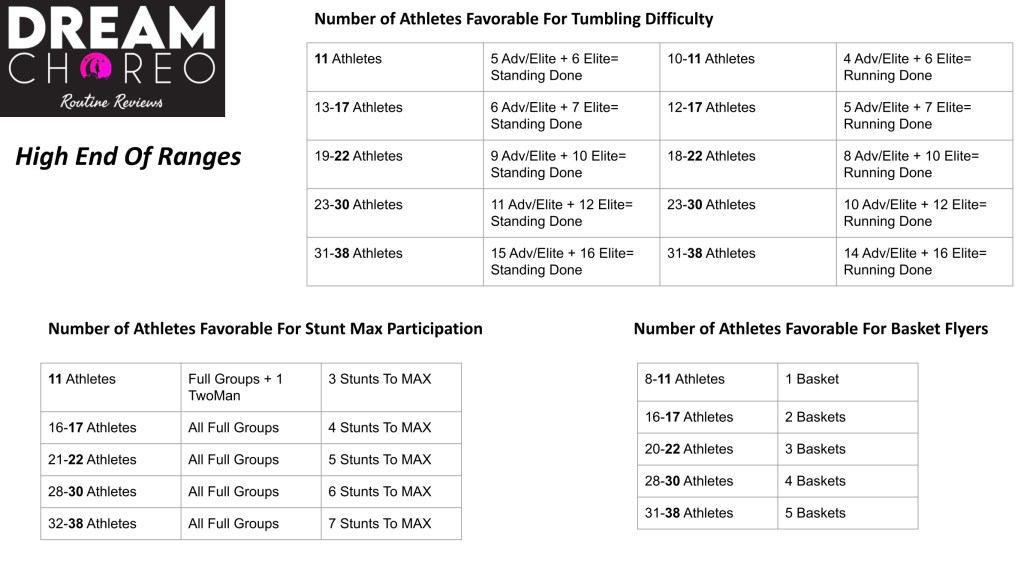
– Build teams with enough flyers
– 50% of team with the same advanced or tumbling skill in RT & ST.
– Hit top range number for team size 11,15, 23, 27, 30.
– Keep calm.
I would first focus on building teams with the numbers at the top of each range: 11, 15, 19, 23, 27, & 30. Those are the magic numbers that will give you the best chance of building toward the correct number of skills to max tumbling. As well as the best chance of having enough flyers/bases for each stunt group.
If half of each team can’t do an elite or advanced standing pass and running pass in the same section, then it’ll be tougher to succeed. If 50% of each team you build can throw the same skill you’ll likely be good. If the teams don’t have clear stunt groups going into the season it’ll be tough to max those elite numbers in stunts.
Apparently much of the tumbling is cumulative and allows recycling athletes in the same section apart from the max participation driver. So, on a team of 27 you could ideally have 8 tumblers throw 4 advanced or elite running tumbling passes for a total of 32 passes, which would meet the requirements for all difficulty portions except for max participation. If you could get 12 tumblers on a team of 27 you could score a 7.8/8.0 in tumbling difficulty for both running and standing combined.
So, with that in mind you would want to pick athletes that could ideally get an advanced or elite skill and make summer practices have a tumbling class element. For level three you could get 15 aerials that could go all together on your team of 27. Once you get that your running tumbling could max out using recycled tumblers and cumulative numbers. In level 2 you’d just need 15 Front handsprings on a team of 27.
If that isn’t possible, then you would only lose .1 if you could still do a majority for max participation. (12 fronthandsprings) The tough one will be standing tumbling for level 2 teams. Each pass needs a BWO, or back extension roll. That team would need to work walkover drills every practice.
Stunts will literally be 4 elite elements and you max out. You’ll need a flyer for every 4 athletes so 1 of those elements is maxed. In each level there is 1 elite element easier than the rest. So, it’ll be vital to make sure you have enough flyers on each team.

Here is what I would look for when building teams based on what I think is easiest to get. These skills are going to be updated in the next month again when varsity makes another change, so they might not stay what’s best. I know level 1 is going to change for sure.
Level 1:
Handstand – Most
Cartwheel – Majority
–
Roundoff – Most
CW-BWO – Majority
Level 4:
2toTuck – Most
HandspringTuck – Majority
–
FWO-toLayout – Most
Roundoff whip-bhs-tuck Majority
(Or front tuck through to tuck)
Level 2:
Backwalkover-Bhs – Most (BckExtRoll might be easier)
BWOSwitchLeg – Majority
–
Front handspring – Most
Roundoff Bhs-stepout – Majority
Level 5:
Two to layout – most
Jump-twotolayout – majority
–
FWO through to full – most
Roundoff Arabians – Majority
(This one is tough! But cumulative numbers throughout routine will help)
Level 3:
Jump-Bhs series – Most
BhsStepOut-Bhs – Majority
–
Aerial – Most
RoundoffBhsTuck – Majority
(Can also just do ro2bhstotuck if aerials are too hard)
For updates on our next blog and the company click the buttons above to follow Dream Choreo on social media!

Today’s quick post will be all about some of the awesome strategies different gyms in the world are using to work while they cannot coach!
One awesome aspect of this is the fact that many of the strategies can be used later as additional ways to bring in revenue AND bring in more customers!
We will jump right in with what some gyms in New Jersey, who are still under strict distancing orders, are doing to work around not being able to coach in their gyms.

That’s right! They’re holding outdoor tumbling classes and practices. This wouldn’t work in the middle of December up north, but why not have a day during spring or summer where you hold outdoor classes as an event. Seems like the perfect way to get people in the doors! Well, outside of them.
Marketing has definitely evolved over the last few months in the All-star industry! Owners and coaches have had extra time to focus on their content in terms of websites, social media, branding, and physical signs.

Some companies have even created actual cinematic commercials. There have been more live streams from gyms and an increase in the quality of graphics. The industry is moving on up and it’s a beautiful thing to see!
Virtual Practices and Private Lessons have exploded in the industry! Programs are providing the entire industry with content. Individual coaches are also offering cheerleaders around the globe private lessons. This is something that will continue long after circumstances change.

Take advantage and use this as a way to gain additional income without having to be in the gym 7 days a week! If your team is struggling in the strength department, then call an extra zoom practice!
Deep Cleaning isn’t the first thing that comes to mind when I think of coaching, but being honest. Gyms where hundreds of kids sweat, tumble, and stunt in every week tend to not be the cleanest of places. So many programs are cleaning mats consistently, dusting, and bringing a focus to athlete hygiene more than ever before.
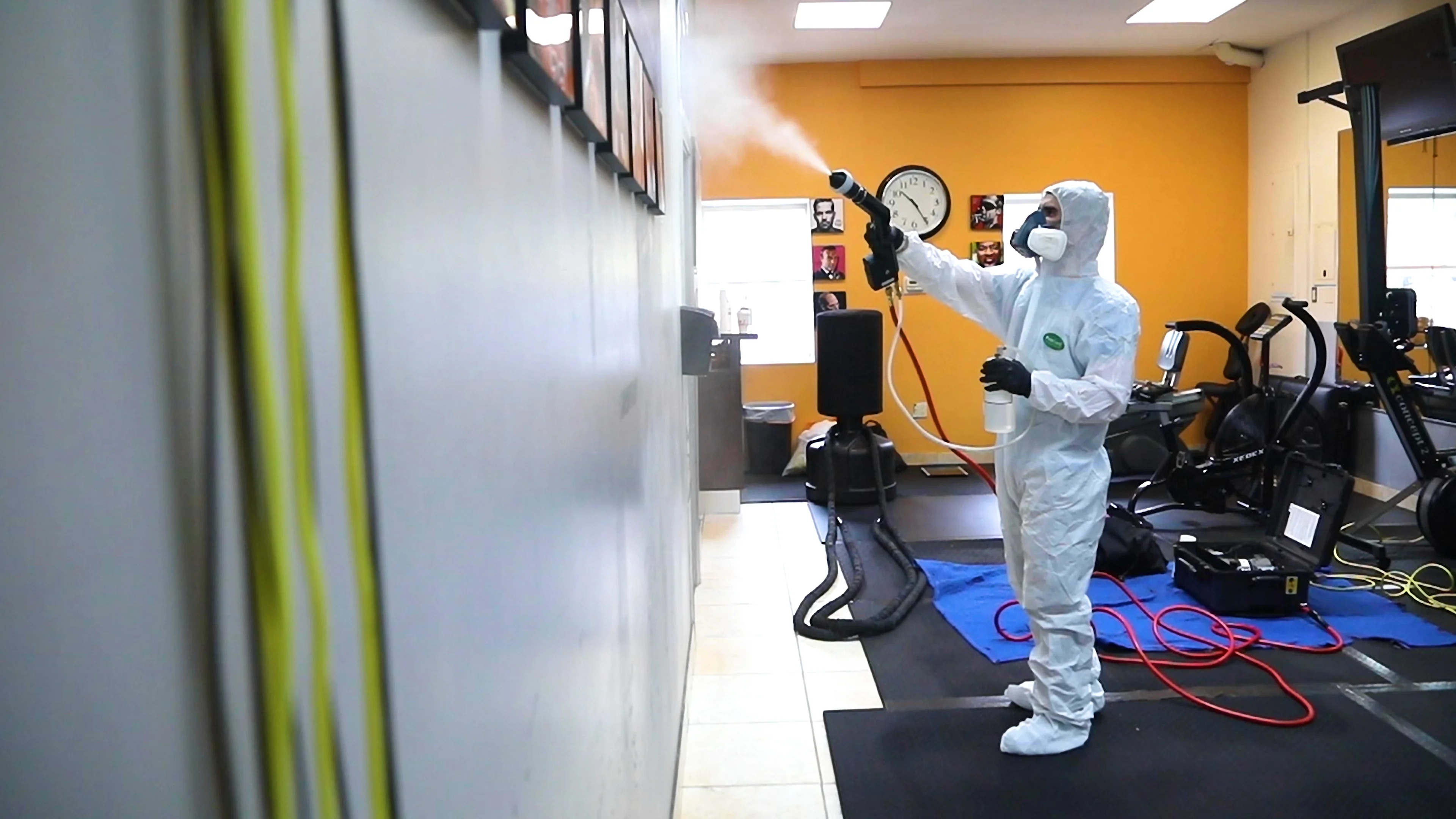
The first thing my marketing mind thinks of is the first-time customer who is going to walk into a squeaky-clean establishment and fall in love! Its also a great way to keep pests and ants out of your building!
If you’ve seen any other ways that industry professionals are thriving during these times or have a fun idea feel free to post it below in the comments!
If you are looking for ways to save on choreography this season check out this post!

The government signed the CARES Act last friday.
This bill can provide help to part & full time coaches out of work, cheer company owners in distress, and most americans in general.
Keep reading to get a quick 10 minute wrap up of what the Act can do for you!
 Description: Many people 18 & up will receive 1,200. For every child under 16 there would be an extra 500$ coming your way. There’s one check being commissioned now, but maybe more depending on how long social distancing lasts!
Qualifications: If your income is 75,000 or less you’ll receive 1,200. Double the payment and qualification if you filed taxes married and have no children. Anyone who claims dependents and is head of household will receive full payment if they earned under 112,500. If you are jointly filing with 2 kids you will not be eligible if your income is higher than 218,000! Dependents don’t receive payment!
How: This form requires little work on your part! As long as you’ve filed taxes in the last two years you’ll receive your check through your banking institution or via mail either 3 to 5 weeks from now.
 Description: These have been opened up to part time, freelance, contract, full time, and just about every type of worker that is out of work or in need. The amount received has also been multiplied to three times as much! So cheer coaches too!
Qualifications: There are very few qualifying factors! It has really been expanded by the federal government!
How: Each state is different. But you’ll start your journey by visiting your state’s department of labor website. Very few details are needed to file a claim. Once you file you’ll have to put a resume on a government database and be reviewed by a dol claims processor. This process takes around 2 weeks, but with the 3.3 million people unemployed as of last week expect it to take 3-4 weeks!
 Description: Hear me loud! You can get loans to cover payroll, rent, operating costs, and have them all forgiven! The SBA is allowing Small businesses like cheer companies to apply for the Economic Injury Disaster Loan program. Funds are given after 3 days of an accepted application.
Qualifications: You’ll only be able to pay payrolls of those receiving under 100,000$ a year. You’ll have to also keep the same number of employees.
How: Provide 3 years worth of employment and payroll cost documentation. Also verify mortgage interest payments, rent payments, and utilities with documents. You’ll have to get your documents certified by an authorized representative. Then you wait 60 days to see if the institution allows the forgiveness.
 There are ways to stay afloat, preserve your well-being, and come out of this on top! Look back to our previous blog post about how to run your company during these times.
Change the way you operate now using creativity and you may see an upside brighter than before Covid-19 in a year or two! What doesn’t kill you makes you stronger!
Comment below with any of your tips and reach out to us if you have any additional questions at all!




Our choreographers have struggled time after time with trying to make stunts hit in the middle of competition season halfway through a tough, sweaty, & stressful practice. This makes us the perfect resources to help with all of your stunt technique needs! Here are some solid tips for solid stunts!

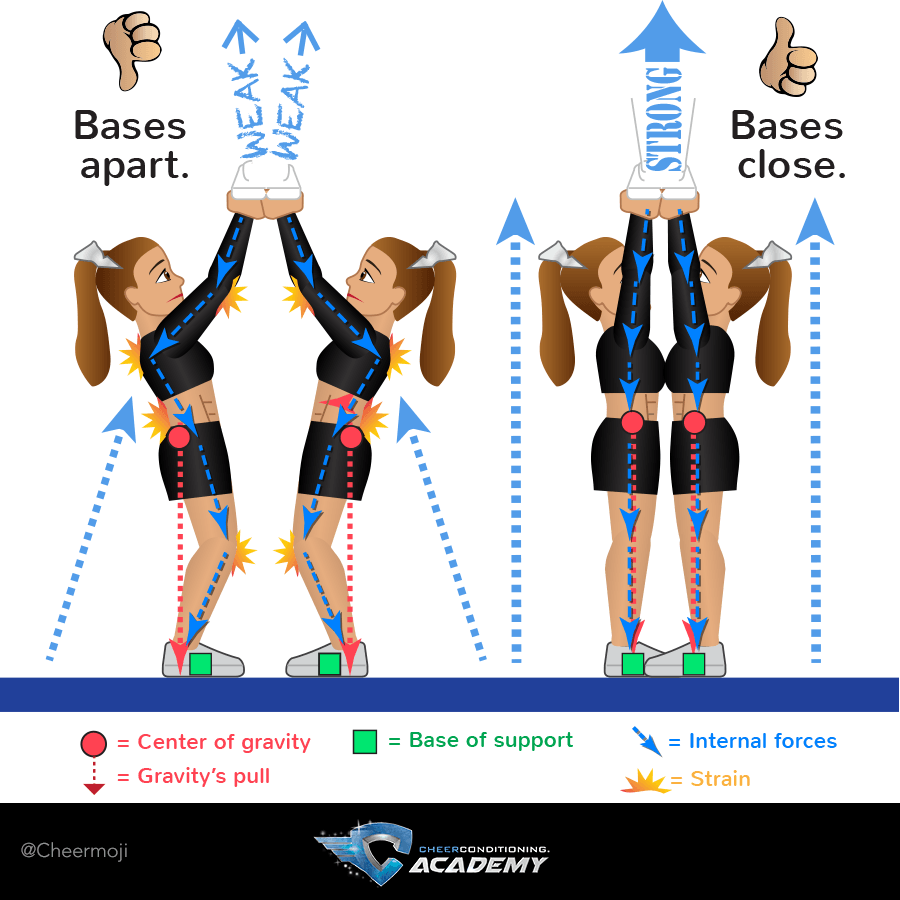
That’s all of our tips for today! We’d love to hear any of your suggestions below in our comments! Share what works for you and help countless others!

The coronavirus outbreak is causing every gym in the nation to look at their day to day processes and see what they can do to join the community in flattening the curve and protecting the elderly in our communities.
Dream Choreo is using this weeks blog post to research government and healthcare information that has been released throughout the last few weeks and consolidating the information regarding safe practices and virtual options in order to maintain trust and keep your finances flowing as normally as possible!
Of course there is a lot of information. It changes weekly! So whether you are an owner or coach be on the lookout for our future post that compliments this one with more information and details on how to stay financially secure! Corona & Cheer: The Stimulus

Safe Business Practices
The CDC recommended several changes that businesses should make to protect themselves legally, look after employees, and help customers throughout this epidemic.
Here are guidelines for employees from the CDC and US Chamber of Commerce!


Business As Usual
These are tough times. Get through them by staying together (virtually) and coming together (in spirit) to build a sense of community, peace, and calm among your customers and employees!
Again we have content that complements this article coming soon! For more on virtual business practices check out ASGA on Facebook! Feel free to reach out with any questions you may have by emailing us!
 The title of this piece is a phrase often heard and read across the country among coaches and owners.

A choreographer is like the director and the screenwriter of a film, all rolled into one, but for cheerleaders and routines instead of actors on screen. They create and plan the routines for athletes to perform and compete, usually to music and to match the image and style of a program
.
To do this, you’ll need a high level of dancing ability, creativity, the patience to teach it to other people, scoresheet knowledge, and the ability to know what looks good to a wider audience, as well as the communication skills needed to make sure that your point is coming across clearly to your cheerleaders.
 The best choreographers run whole sections by themselves, playing out a vision through meticulous planning of dances, concepts, music, and visuals, to engage an audience completely. Choreographers often travel year round, which also involves balancing their own accounts and managing costs.
Since their services can be extremely expensive we wanted to provide a solution that can be a win-win situation for a choreographer and a program….
In House Choreo – Hire an in-house choreographer!
Reach out to someone professional and talented. Someone who:
– Choreographs full year routines at a 25% discount and half year routines at a 50% discount.
– Assists teams weekly throughout the year at 2 team practices per week (allows time for travel work)
– Distributes pay for routines in a year-long salary.
– Adds Coaching to salary at a low rate of 15$ per hour.
Hiring your help in this way can save money in multiple ways!
– Gym saves a large amount of money by insourcing and having choreographer available for upgrades/adjustments year round, knowledge, and perspective. (No Travel/Hotel Costs)
– Choreographer benefits from having constant flexible hours and freedom to travel as long as two practice minimum is met weekly and work is high quality.

Try the numbers for yourself. Calculate billable hours for a minimum of 4 full year teams worth of choreography (1 upgrade each throughout the year), 2 half year teams, and year round coaching. You’ll end up with a cost of around 20,000 before you even look at travel (industry rate charged). The gym will only pay the choreographer around 13,500. So you could save a minimum of 7,500 to use in your company!
Don’t forget about the benefits of intellectual property gained by the choreographer working with other gyms. When they come back to your gym and improve your program you’ll benefit even more! Many conventional problems from outsourcing choreography disappear when you seek out a professional and talented choreographer to work for your company! Ensure your protecting yourself locally by drawing up a non-compete that ranges 50 miles! Guarantee a prorated pay for work completed in the case that a season isn’t finished.
Here are more common complaints that could be eliminated! Causing you a less stressful life!
If you liked this idea, keep the conversation going below in our comments or on ASGA’s Facebook Group
Till next time!

 Dream Choreo