

You can discover through easy and proven ways how to save resources and help guarantee you can spot high quality choreography. You’ll love the results that come from knowing what you’re looking for.
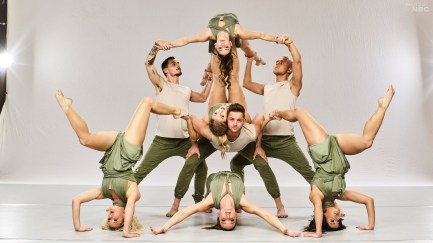 Often a scoresheet will produce a need for your team’s choreography to have very specific elements in order to score high. Competition creates a difference between performing arts choreography and scoring rubric choreography, but there are still factors that can help you judge the quality of what service you’re receiving.
Here are 11 ways to analyze your routines!
The Process:
This is the most important way to see if you are getting what you need. When the sessions are enjoyable and full of memorable moments you can tell you’re getting high quality service.
The Props:
Maybe your choreographer has incorporated some type of prop into the routine or is thinking outside of the box in terms of uniforms, banners, or cloth. This is one way to know your choreographer is giving you truly creative work.
The Performance:
Are your kids being instructed to serve up emotion, faces, and expressions to the judges that will create moments? I’ve even seen teams yell entire phrases of their music on the floor. Memorable noises can take a routine to the next level.
The Intro:
How are your athletes taking the floor? What choreographed movement are they doing before they start the routine? What mood or tone has the choreographer created to set the stage for the rest of the show?
The WOW:
The scoresheet has many requirements for each section. If each piece of the routine tends to a part on the scoresheet and nothing else, then you want to question how good of a choreographer you’ve chosen. There should be WOW moments. At least one part of the routine should take your breath away literally.
The Time:
Routines are only 2 ½ seconds. This amount of time should never feel like it is lasting too long! Making sure the routine builds, crescendos, and energizes is important. If you find yourself waiting or even worse, wishing for the end of the routine, Find someone new!
The Athlete:
In cheer each team has its own personality. Can your choreographer give athlete-specific and appropriate moves that your kids will enjoy performing? Did they ask your kids to see any special talents they had in terms of flexibility or tumbling? Specialization is the best way to maximize your team’s talent! No two routines should be the same.
The Purpose:
Does the routine make sense? Does the timing of movements make sense? There is a time and place for the random in art. Unfortunately, it rarely comes about in Competitive Arts with a foundation in a scoring rubric. Creativity and randomness are not mutually exclusive.
The Eye:
Make sure you are not confused on what to look at during an eight count. If you are watching the routine and feel like your eyes are darting back and forth up, down left, right, then you run the risk of judges missing skills, or not being able to enjoy the routine. Levels and spacing can help direct the eye. There is beauty in simplicity.
The Copycat:
Seen everything in your routine before? Get a new one!
The Floor:
Formations should use the entire floor but also weave intricate webs and patterns of movement in transitions. Where the athletes are put should actually also create a picture that is unique or pleasing to see.
Stay tuned for next week’s blog post and comment below with any other elements you look for in great routines!
 Dream Choreo